
Chapter 17: Suleiman — The Sultan, The Lawgiver, and the Weight of Power
Military victories expanded Ottoman influence deep into Europe, North Africa, and the Middle East. Cities submitted to Ottoman authority. Kings feared Ottoman armies. European courts watched Istanbul carefully, knowing that the balance of power itself was changing.
THE BRIEF HISTORY OF ISLAM!
Danish Shafiq
6/18/20264 min read
Chapter 17: Suleiman — The Sultan, The Lawgiver, and the Weight of Power
And while the Ottomans stood powerful in the West, another transformation was quietly unfolding far away in the East.
Across the Indian subcontinent, Islam was spreading not only through rulers…
but through saints. Through traders. Through Sufi khanqahs. Through compassion and spiritual teachings that touched ordinary hearts. Long before the Mughal Empire rose in India, countless people had already encountered Islam through humanity rather than conquest.
And soon, the story of Islam in Hindustan would enter a new and complex chapter. A chapter of saints, sultans, poetry, kingdoms, and civilizations.
India.
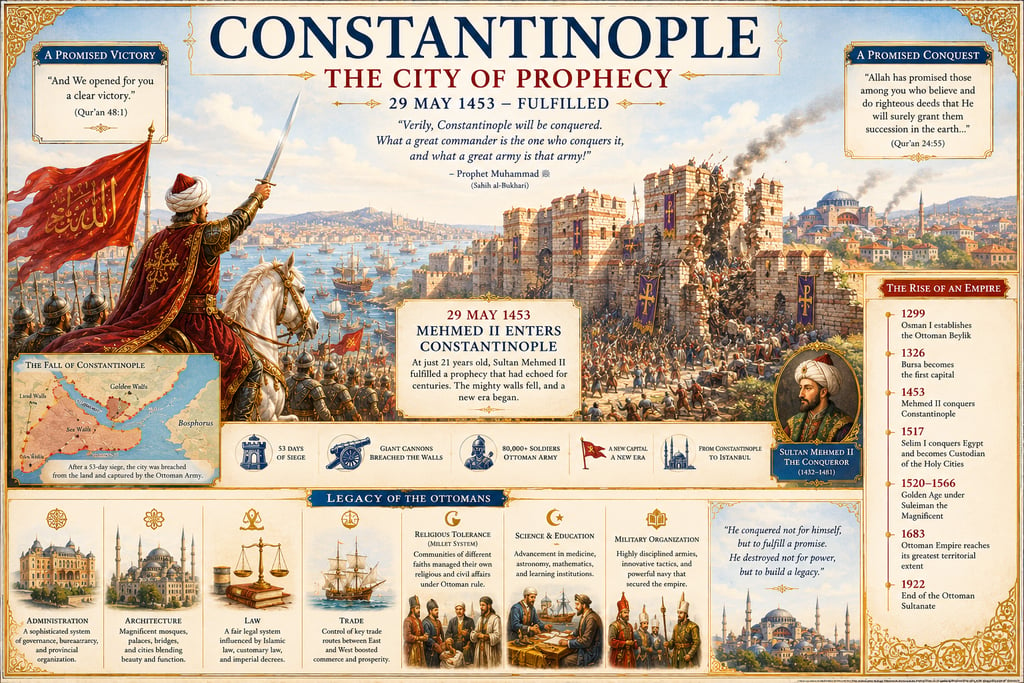
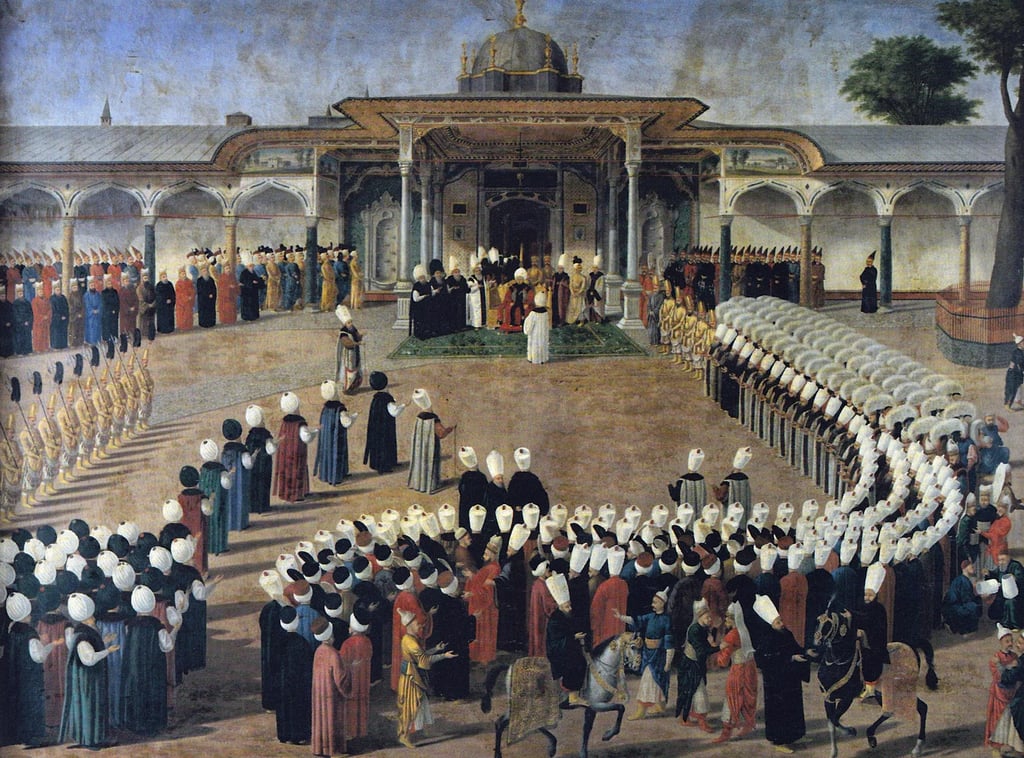
The Ottoman Empire was rising like the morning sun. From the broken aftermath of Mongol invasions and centuries of political fragmentation, a new Muslim superpower had emerged across three continents. Constantinople had become Istanbul. Caravans moved safely across vast Ottoman lands. Ships sailed through Mediterranean waters beneath Ottoman banners. Mosques, markets, bridges, schools, and palaces spread across the empire. And now, the throne of the Ottomans passed to a ruler whose name would echo through both the East and the West:
Suleiman. Known in Europe as: Suleiman the Magnificent. And known within much of the Islamic world as: Kanuni Sultan Suleiman. Suleiman the Lawgiver.
When Suleiman ascended the throne in 1520, the Ottoman Empire already stood powerful. But under him, it would reach extraordinary heights. Military victories expanded Ottoman influence deep into Europe, North Africa, and the Middle East. Cities submitted to Ottoman authority. Kings feared Ottoman armies. European courts watched Istanbul carefully, knowing that the balance of power itself was changing.
Yet Suleiman was not remembered only for conquest. Because true civilizations are not built merely through battlefields. They are built through law, order, scholarship, architecture, and culture. And under Suleiman, the Ottoman world flourished magnificently. The empire became a center of trade connecting East and West.
Merchants from Venice, Persia, Arabia, India, Africa, and Europe crossed Ottoman lands carrying spices, silk, manuscripts, metals, perfumes, and ideas. Istanbul itself became one of the greatest cities on Earth. Its skyline transformed through breathtaking mosques designed by the legendary architect Mimar Sinan. Domes and Minarets rose toward the Sky. Water systems, bridges, hospitals, schools, and public kitchens served ordinary people across the empire. For many travelers, the Ottoman capital appeared as a living symbol of imperial confidence and Islamic civilization.
And yet, beneath the grandeur of the empire remained a deeper question: Could power remain connected to justice?
Suleiman understood that empires collapse when laws become tools only for the powerful. And so he devoted enormous effort toward administration and legal reform. He organized taxation systems. Strengthened courts. Regulated governance. And attempted to create balance between imperial authority and Islamic legal traditions.
This earned him the title: The Lawgiver.
For many ordinary people living under Ottoman rule, stability itself became a blessing after centuries of wars and invasions. Roads became safer. Trade became stronger. Scholarship continued growing. And across the empire, different communities — Muslims, Christians, Jews, Arabs, Turks, Greeks, Armenians, Kurds, Slavs, and others — lived together under Ottoman administration. This did not mean complete equality in the modern sense.
There were still hierarchies, taxes upon non-Muslims in certain contexts, political limitations, and moments of injustice. But compared to many regions of the medieval world, the Ottoman system often allowed diverse populations to survive within one imperial structure for centuries. Many Jews expelled from Spain during the Reconquista later found refuge within Ottoman lands. Christian communities continued existing across the empire. And Islamic scholarship expanded greatly.
But while the empire shined outwardly, the burden of power slowly grew heavier inside the palace walls. Because every empire carries within itself both glory and temptation. Luxury increased. Royal courts became more elaborate. Politics became more dangerous. And palace rivalries slowly turned deadly. One of the most painful aspects of Ottoman political culture was the struggle over succession. Princes often viewed one another not as brothers…but as threats.
Fear of civil war pushed some rulers toward brutal decisions. Executions within royal families became tragically common during different periods of Ottoman history. This was not the mercy-centered simplicity taught by Prophet Muhammad ﷺ. The Prophet ﷺ had warned repeatedly against arrogance, oppression, and the corruption that power can create within the human heart.
But rulers throughout history — Muslim and non-Muslim alike — often struggled against the temptations of empire. Suleiman himself carried this burden painfully. Among the most controversial events associated with his reign was the execution of his own son, Prince Mustafa. Many within the empire loved Mustafa and viewed him as a capable heir. But palace intrigue, political fears, and manipulation created deep suspicion around succession.
Eventually, Suleiman ordered Mustafa’s death. The tragedy shook the empire emotionally. A father. A son. An empire consumed by fear of instability. It became another reminder that political power often demands terrible choices — and that even great rulers remain human.
Yet despite such tragedies, Suleiman’s era is still remembered as the peak of Ottoman civilization. Art flourished. Calligraphy reached extraordinary beauty. Islamic scholarship expanded. Trade connected continents. Architecture transformed skylines.
And the Ottoman Empire stood as one of the dominant powers of the world.
At the same time, spiritual life remained deeply important among ordinary Muslims. Sufi orders spread widely through Ottoman society. Mosques echoed with Qur’an recitation. Dervishes gathered in remembrance of Allah. Poets wrote about divine love, humility, and the temporary nature of worldly power. Because beneath the grandeur of empires, sincere believers still remembered an eternal truth: Kings die. Palaces fade. Empires collapse. But the soul eventually returns to Allah.