
Chapter 21: The Saints Who Won Hearts — Islam Comes to India
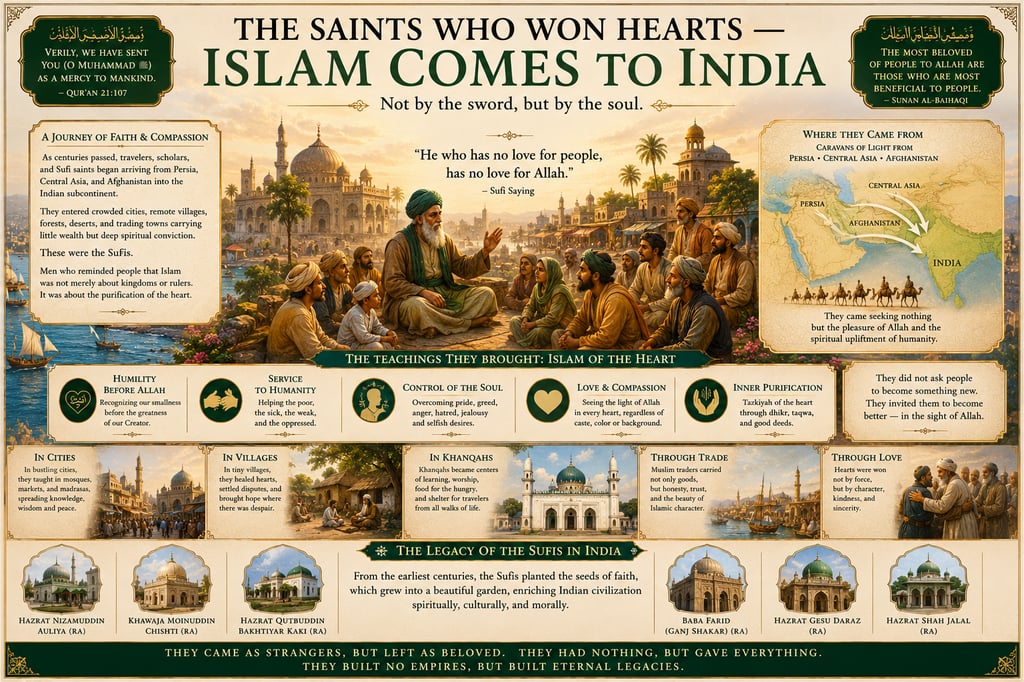
One of the greatest among these saints was Khwaja Moinuddin Chishti Rahmatullahi Alayh of Ajmer, remembered lovingly as Gharib Nawaz — “the benefactor of the poor.” He did not arrive in India with armies or royal authority. His influence spread through compassion, humility, and service to ordinary people. Hindus, Muslims, and people from different communities visited him because they saw sincerity in his character.
THE BRIEF HISTORY OF ISLAM!
Danish Shafiq
6/18/20265 min read
Chapter 21: The Saints Who Won Hearts — Islam Comes to India
When Islam Reached the Shores of India. Long before the Mughal emperors ruled over Hindustan… long before the great forts of Delhi echoed with royal processions… long before Babur crossed the mountains toward India… the message of Islam had already begun touching the shores of the Indian subcontinent quietly.
Not through mighty empires. Not through giant armies. But through travelers crossing the Arabian Sea.
For centuries, Arab merchants had sailed toward the western coasts of India. The ports of Kerala, Gujarat, and Sindh were already connected with Arabia through trade long before the birth of Prophet Muhammad ﷺ. Indian spices, silk, perfumes, and textiles traveled toward the markets of Yemen and Makkah, while Arab traders brought dates, horses, and goods from the deserts of Arabia.
The sea became a bridge between civilizations. Then Islam emerged in Arabia. And slowly, those same trade routes began carrying something greater than merchandise. They carried a new faith.
When Muslim merchants started arriving in India after embracing Islam, many local communities noticed something unusual about them. They prayed differently. They spoke constantly about one Creator. They refused idol worship. They washed before prayer. They traded with honesty and discipline. Rich or poor, they stood shoulder to shoulder during worship without distinction.
For many people, this way of life felt unfamiliar. Yet deeply intriguing. Small Muslim communities slowly began appearing along the western coast of India. In places like Kerala, local rulers often allowed Arab Muslim traders to settle peacefully because of their importance in commerce and maritime trade. Over time, relationships developed through trade, marriages, and daily interaction.
Islam had entered India quietly. Not with royal banners. But with human connection.
Meanwhile, far away from India, the Muslim world itself was changing rapidly. Great Islamic empires rose across Arabia, Persia, Syria, Egypt, and Central Asia. During the Umayyad period, the expedition of Muhammad bin Qasim into Sindh marked the beginning of lasting Muslim political presence in a part of the Indian subcontinent. His arrival connected parts of northwestern India with the wider Islamic world politically and economically.
Yet the deeper spread of Islam across India would happen gradually over centuries through something far more powerful than armies alone:
Character.
Spirituality.
And human dignity.
As centuries passed, travelers, scholars, and Sufi saints began arriving from Persia, Central Asia, and Afghanistan into the Indian subcontinent. They entered crowded cities, remote villages, forests, deserts, and trading towns carrying little wealth but deep spiritual conviction.
These were the Sufis. Men who reminded people that Islam was not merely about kingdoms or rulers. It was about the purification of the heart. About humility before Allah. About serving humanity. About controlling pride, greed, anger, and hatred.
At a time when political rulers across the world often competed for power and territory, the Sufis quietly focused on broken hearts. They established khanqahs — spiritual centers where travelers found shelter, the hungry received food, and ordinary people gathered for prayer and learning. Rich and poor sat together without social barriers. A laborer and a nobleman could eat from the same kitchen and stand in the same line of prayer.
For many people living within rigid social divisions, this carried enormous emotional meaning.
One of the greatest among these saints was Khwaja Moinuddin Chishti Rahmatullahi Alayh of Ajmer, remembered lovingly as Gharib Nawaz رَحْمَةُ اللَّٰهِ عَلَيْه — “the benefactor of the poor.” He did not arrive in India with armies or royal authority. His influence spread through compassion, humility, and service to ordinary people. Hindus, Muslims, and people from different communities visited him because they saw sincerity in his character.
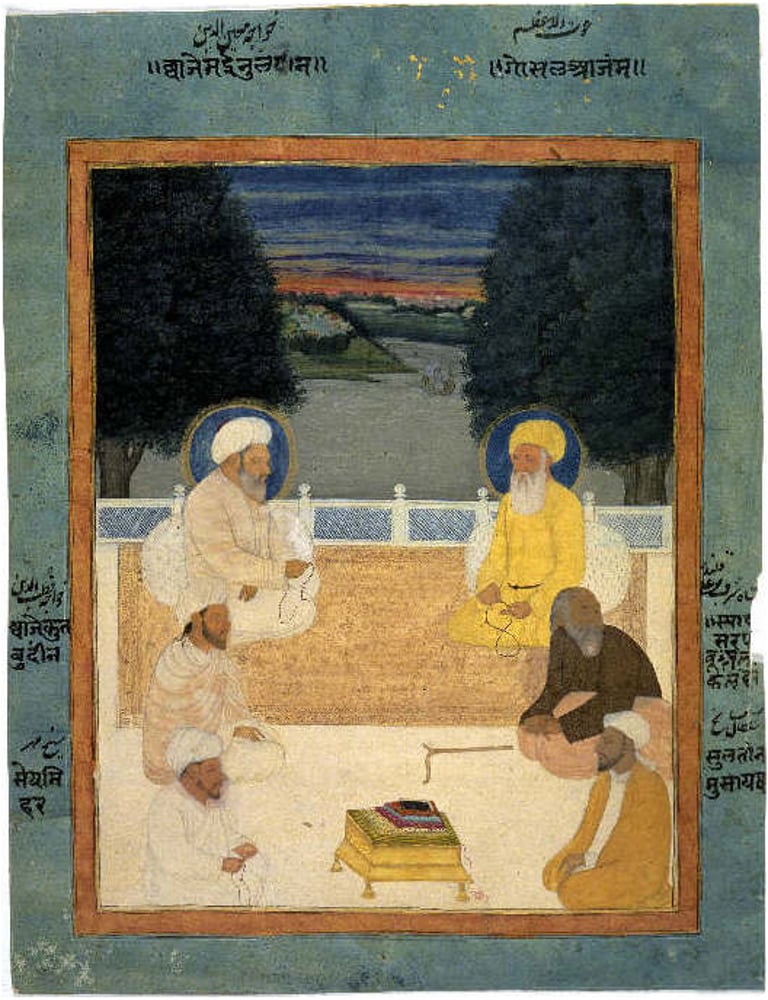
Later came other great spiritual figures across the subcontinent — Hazrat Nizamuddin Auliya رَحْمَةُ اللَّٰهِ عَلَيْه in Delhi, Baba Farid رَحْمَةُ اللَّٰهِ عَلَيْه in Punjab, Shah Jalal رَحْمَةُ اللَّٰهِ عَلَيْه in Bengal, and countless others whose teachings shaped the spiritual culture of India for centuries.
Their gatherings were filled with prayer, poetry, reflection, and remembrance of Allah سبحانہ و تعالیٰ. Persian traditions mixed gradually with local languages and customs. Over time, entirely new cultural expressions emerged from this interaction, including the development of Urdu — a language carrying both Indian and Islamic influences within its soul.
At the same time, Muslim political power also continued expanding in northern India through Turkish and Afghan dynasties. The Delhi Sultanate emerged as an important center of power. Mosques, madrasas, forts, and cities expanded across different regions. Trade flourished, scholars traveled, and Indian civilization became increasingly connected with the wider Muslim world stretching from Cairo to Central Asia.
But like every chapter of human history, this period carried both light and shadow. Some rulers governed with justice and protected different communities. Others became consumed by power, warfare, heavy taxation, and political ambition. At times, religion itself was used by rulers to strengthen authority and justify conflict.
Yet the teachings of Islam remained clear. The Qur’an declared: “There is no compulsion in religion.”
Prophet Muhammad ﷺ taught mercy, justice, honesty, and dignity toward all human beings. He warned repeatedly against oppression and arrogance. Islam did not teach hatred toward people because of their religion or ethnicity. Rather, it called human beings toward accountability before Allah سبحانہ و تعالیٰ and compassion toward creation.
But rulers throughout history — Muslim and non-Muslim alike — often failed to fully embody the ideals they claimed to represent. And still, despite wars and political struggles, something remarkable slowly emerged in India over centuries.
A shared civilization. Markets where different communities traded together. Languages shaped by multiple cultures. Poetry blending Persian and Indian traditions. Music, architecture, food, clothing, and customs influencing one another across generations. India was becoming a land where civilizations met, struggled, changed each other, and created something entirely unique.
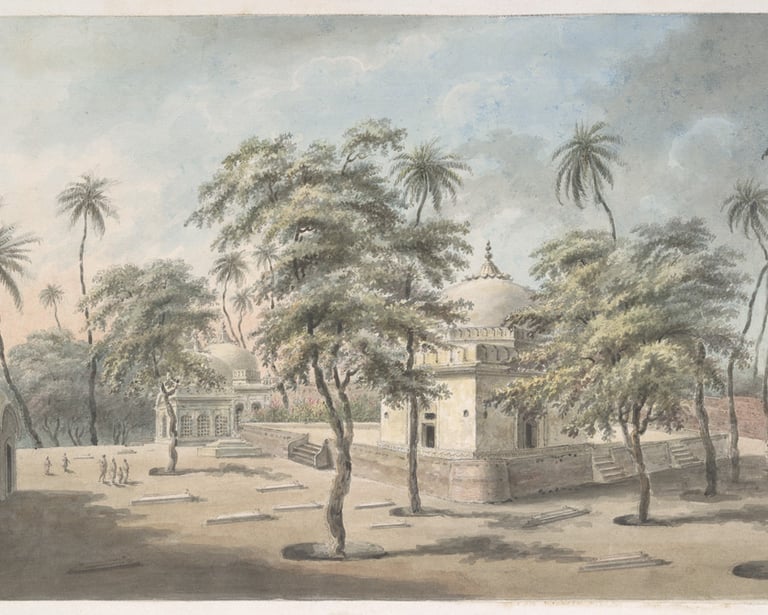
Meanwhile, political Islam in northern India also continued evolving.
After Muhammad bin Qasim’s early expedition into Sindh centuries earlier, later Turkish and Afghan dynasties gradually established stronger Muslim rule in parts of the subcontinent.
The Delhi Sultanate emerged. Powerful kingdoms rose. Mosques, forts, madrasas, and cities expanded. Persian culture mixed with Indian traditions. Trade flourished. And Delhi slowly became one of the major political centers of the Islamic world in South Asia.
But even these kingdoms remained unstable. Dynasties fought one another. Rebellions erupted. And from Central Asia, another storm was approaching India.
A conqueror descended from both Turkic and Mongol lineage. A man carrying memories of lost kingdoms and impossible ambitions.
His name was Timur. And after him… would eventually come Babur. The founder of the Mughal Empire.
End of Chapter 21